
The Basic Mechanism
Interchange is the fee your payment provider’s bank pays to your customer’s bank every time a card is used, and it’s the largest single component of what shows up on your statement as processing cost.
The UK Caps
In the UK, interchange on consumer cards is capped by law under the Interchange Fee Regulation, originally EU legislation, retained in UK law after Brexit. The caps: 0.2% of the transaction value for a UK-issued consumer debit card, 0.3% for a UK-issued consumer credit card. These have applied since December 2015 and, unlike scheme fees, they genuinely cannot be negotiated up or down by any provider, they’re a legal ceiling.
What Falls Outside The Caps
The caps only cover consumer cards issued and used within the UK though, and that carve-out is where most of the real cost variation happens. Business and corporate cards fall outside the IFR entirely, so a B2B transaction paid on a company credit card can carry meaningfully higher interchange than the same amount paid on a personal debit card, because the issuing bank isn’t bound by the consumer cap. Premium and rewards cards, which fund cashback and travel perks for the cardholder, also tend to sit at the higher end of whatever bracket they’re in, since that reward funding has to come from somewhere.
The Post-Brexit Cross-Border Exception
Cross-border transactions are the other major exception, and the one that has changed most since 2021. UK-EEA transactions used to fall under the same EU caps as domestic ones. Since Brexit removed that coverage, Visa and Mastercard raised cross-border card-not-present rates to roughly 1.15% on debit and 1.5% on credit, a fivefold increase that specifically affects UK businesses taking online orders from EU customers. It’s currently under active review by the Payment Systems Regulator, which is consulting on an interim price cap to bring it back down.
In-Person vs Online Rates
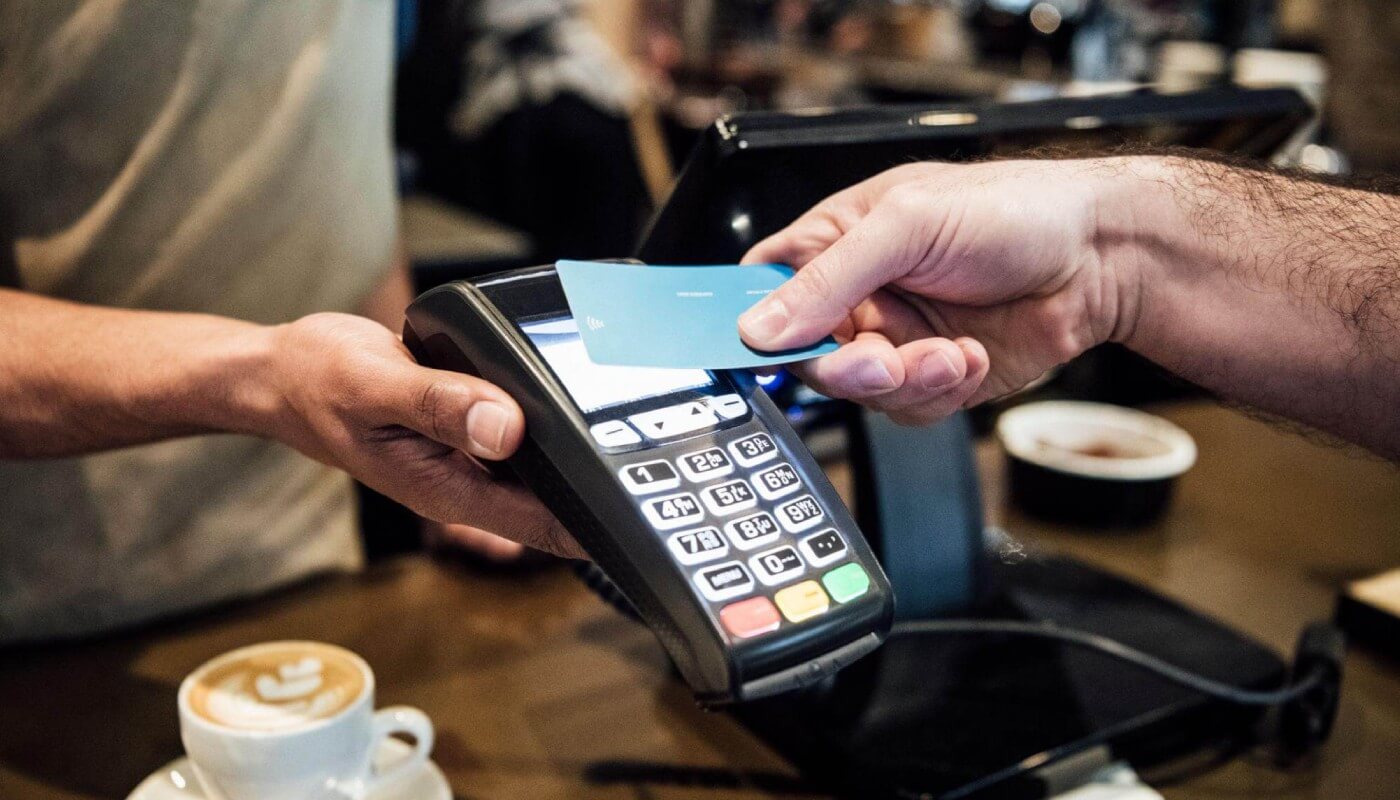
Interchange also varies by how the transaction happens, not only by which card is used. In-person Chip & PIN or contactless payments generally sit at the lower end of their bracket, because the physical presence of card and PIN reduces fraud risk for the issuer. Online and phone payments, classed as card-not-present, typically attract higher rates because that fraud risk is greater without the physical checks. The practical upshot: you can’t negotiate interchange itself, but you can understand which parts of your trade are attracting the higher, uncapped rates, corporate card payments, international customers, phone orders, and factor that into how you price or where you focus growth.
Want to see which of your transactions are hitting the higher, uncapped rates? Free comparison, same-day.