
Where the Payment Happens Decides the Terminal
The right terminal for a business is decided almost entirely by where the payment happens, not by which brand has the flashiest marketing.
Countertop Terminals
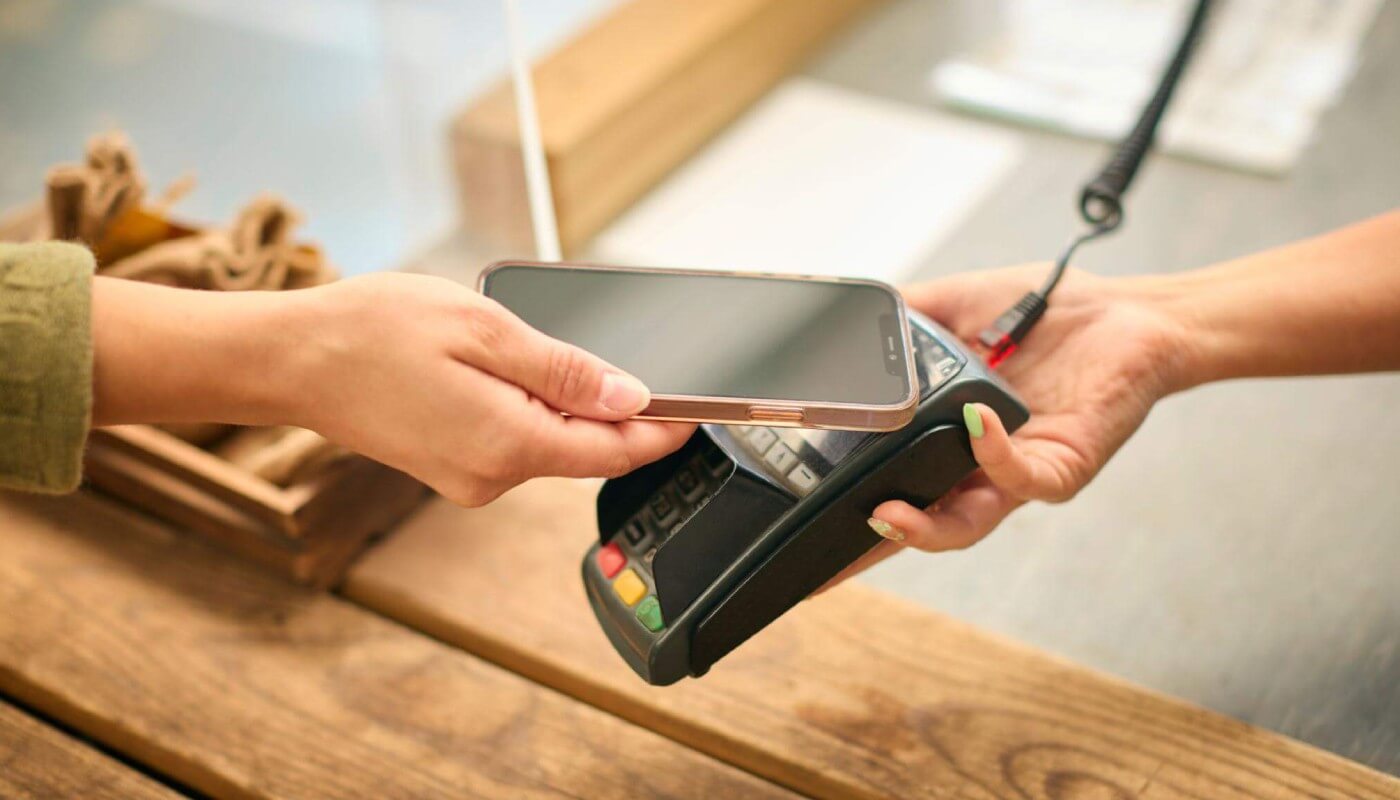
Countertop terminals sit fixed at a till, connected by cable or WiFi, and are the cheapest and most reliable option, since they don’t need to hold a mobile signal or a battery charge through a busy shift. They suit shops, salons and any business where the customer comes to a fixed point to pay. Monthly rental for a basic countertop unit typically runs £13 to £30, or £150 to £700 to buy outright if you’d rather avoid a rental contract altogether.
Portable Terminals
Portable terminals connect over WiFi and are carried to the customer rather than the other way round, the standard choice for restaurants, cafés and pubs where payment happens at the table. They cost slightly more than countertop, generally £15 to £35 a month rented.
Mobile Card Readers
Mobile card readers use 4G or Bluetooth paired with a phone app, built for tradespeople, market traders and anyone taking payment away from a fixed premises entirely. These are usually the cheapest to acquire outright, from around £19 for a basic Bluetooth reader up to around £100 for a standalone 4G unit, but often carry a slightly higher transaction rate to compensate.
The Numbers That Actually Matter
Beyond the type, the numbers actually worth comparing across providers: the transaction rate itself (flat-rate providers like Square and Zettle charge around 1.75% on everything; tiered providers like Tyl or Worldpay charge less on standard UK debit and more on credit and international cards, usually cheaper overall if most of your trade is domestic debit); settlement speed (next-day is now close to standard, same-day is available from some providers for a small premium); and contract length (12-month rolling contracts from rental providers versus genuine pay-as-you-go with no lock-in from the likes of SumUp or Square).
Compare Your Total Monthly Cost, Not the Percentage
A genuinely useful way to compare isn’t the percentage rate alone, it’s the total monthly cost at your actual typical turnover. A provider with a lower transaction rate but a £30 monthly rental can end up costing more than one with a higher rate and no monthly fee, depending entirely on your volume. Run the numbers against a real month, not the provider’s example figures, before deciding.
Not sure which terminal setup is actually cheapest for your volume? We’ll compare it free.