
“Merchant Services” Means Four Different Things
“Merchant services” is one of those terms that gets used to mean five different things depending on who’s selling it to you. Strip away the marketing and it covers four distinct pieces: the merchant account, the card machine or gateway, the EPOS system if you have one, and the payment security layer underneath all of it.
The Merchant Account
The merchant account is the actual account that receives your card takings before they land in your business bank account, typically the next working day. It’s provided either by a traditional acquirer (Worldpay, Barclaycard, Elavon) or bundled invisibly into a payment facilitator’s service (Square, SumUp, Zettle), where you never see a separate merchant account because the provider is technically holding funds on your behalf before paying you out. This distinction matters for settlement speed, and for what happens if the provider itself runs into a problem.
The Card Machine or Gateway
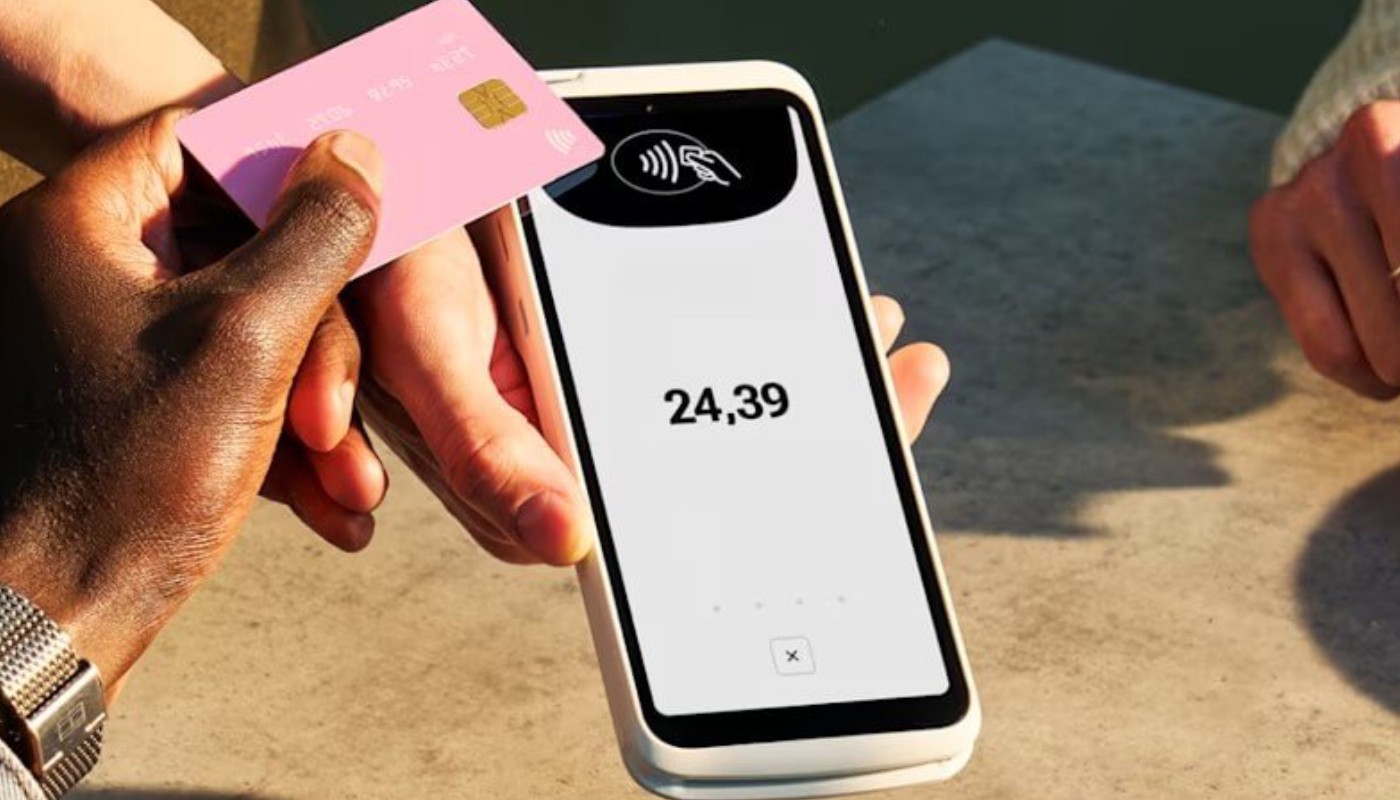
The card machine or gateway is what your customer actually interacts with, in person or online. In-store, that’s a countertop terminal, fixed at the till, cheapest to rent, best for shops with a static payment point; a portable terminal, WiFi-connected and carried table to table, common in restaurants and pubs; or a mobile reader, 4G or Bluetooth paired with a phone app, built for tradespeople and market traders. Online, it’s a payment gateway like Stripe or Opayo. Monthly rental for a physical terminal in the UK generally runs £15 to £40, though buying outright (£19 to £80 for a basic Bluetooth reader) is usually cheaper over two years unless you specifically need a full countertop unit with receipt printer.
EPOS Systems
An EPOS system goes a step further, tying your card machine into stock control, sales reporting and staff management. Genuinely useful once a business has more than one till point or needs real-time inventory tracking, unnecessary overhead for a single-person mobile trader.
Security Underneath It All
Underneath all of it sits PCI DSS compliance and, for online sellers, Strong Customer Authentication. Neither is optional, and both are usually handled largely by your provider on a hosted or managed setup, but the responsibility to understand your own exposure stays with you as the merchant, not with your provider.
The One Question To Ask Any Provider
The practical question worth asking any merchant services provider before signing anything: what exactly is bundled into the headline rate, and what’s charged separately. A quoted 1.5% transaction fee tells you very little on its own if PCI compliance, minimum monthly volume, and early termination terms aren’t spelled out alongside it.
Not sure what’s actually bundled into your rate? We’ll break it down, free.